Neurotoxicity and brain damage
Mercury is a potent neurotoxin. Exposure can damage the nervous system, causing issues such as impaired coordination, numbness in limbs, tremors, memory loss, mood disturbances, impaired speech or vision.

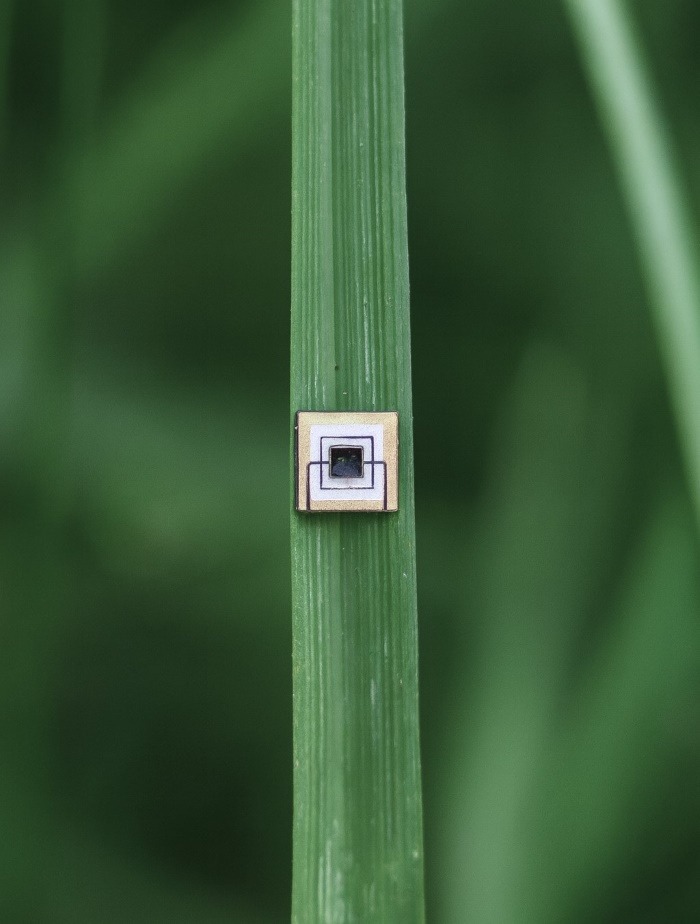
UV-C LED systems provide full-scale water disinfection without the use of mercury. Unlike traditional mercury-vapour UV lamps, UV-C LED reactors use solid-state light sources, eliminating the risk of glass lamp breakage, hazardous mercury handling, and potential exposure to staff, equipment or treated water.
As the only ultraviolet disinfection technology that operates entirely without elemental mercury, UV-C LED systems offer a safer, more sustainable approach to modern water treatment.
Mercury-free UV-C LED systems:
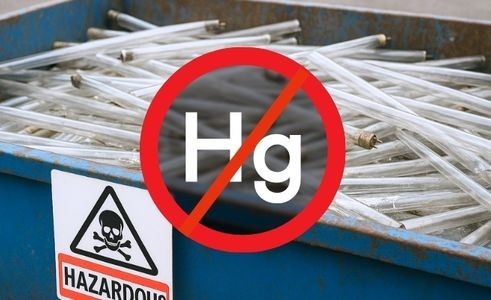
Conventional UV disinfection lamps use elemental mercury to generate germicidal ultraviolet light, typically containing between 5–200 mg depending on the lamp type. These glass lamps operate under pressure and are vulnerable to damage during transport, installation and routine maintenance, requiring careful handling and hazardous waste disposal throughout their operational life.
During operation, the mercury inside the lamp vaporises to produce UV light. If the lamp or quartz sleeve fractures, mercury vapour or contaminated particulate can enter the water stream or surrounding environment, creating an immediate contamination risk. Breakage during handling is one of the most common causes of exposure, while improper disposal presents additional environmental and operational concerns.


With no fragile lamps or mercury, UV-LED systems remove the risk of breakage, staff exposure, or water contamination. They also eliminate the need for mercury spill kits, specialised safety training, and hazardous-waste handling.
UV LED modules can be replaced quickly and cleanly, without system downtime, specialised technicians, or mercury-related safety procedures. This keeps maintenance simple and predictable.
Mercury use is already tightly regulated, and global restrictions continue to increase under the Minamata Convention. UV LED technology avoids these compliance challenges, future-proofing your disinfection systems.
Because they contain no mercury, UV LEDs remove risk associated with leaks and improper disposal. This protects waterways, wildlife, and surrounding ecosystems while reducing long-term environmental impact.

Mercury UV Lamps
|

AquiSense UV Systems
|
|
|---|---|---|
| Mercury content | Yes, lamps contain elemental mercury | No mercury or hazardous metals used |
| Breakage risk | High – fragile glass tubes can fracture during operation, maintenance or transport | None – rugged solid-state semiconductors |
| Disposal requirements | Classified as hazardous waste; must follow regulated mercury disposal procedures | Standard e-waste; no mercury-handling protocols required |
| Warm-up time | Required | Instant on/off with no warm-up |
| System downtime | Changing mercury lamps means ceasing operations, often for multiple hours | UV LED modules can be replaced quickly without stopping the flow of water |
| On/off cycles | Max. 4 per day | Unlimited, making it intermittent-flow friendly |
| Operating surface temperature | 100–600° C | Same as process water |
Mercury-based UV lamps are not banned, but they are under increasing regulatory pressure due to global efforts to reduce mercury use and exposure. This affects how manufacturers, industries and municipalities view the long-term viability of mercury UV technology.
The Minamata Convention on Mercury, led by the United Nations Environment Programme (UNEP), aims to protect human health and the environment from mercury emissions and releases. It entered into force in August 2017, committing ratifying countries to reduce their reliance on mercury wherever safer alternatives exist.
While the Convention does not explicitly prohibit UV mercury-vapour lamps, it encourages governments and industries to transition away from mercury-containing products unless there is a clear and essential benefit. As a result, many organisations are reassessing their use of mercury UV disinfection systems.

Is there a UV disinfection system without mercury?
Yes. UV-C LED systems provide effective water disinfection without using any mercury. They rely on solid-state semiconductors rather than mercury vapour lamps, removing the risk of lamp breakage, hazardous waste handling or mercury exposure to staff and water supplies.
What can I use instead of mercury UV lamps?
The primary alternative to mercury UV lamps is UV-C LED technology. UV-C LEDs deliver germicidal ultraviolet light without elemental mercury, offer instant on/off operation, tolerate frequent cycling and reduce maintenance requirements. They are suitable for many applications where traditional UV lamps were previously used.
Are mercury UV lamps being phased out?
While not banned outright, mercury UV lamps face increasing regulatory pressure under the Minamata Convention and national hazardous-waste rules. Many industries and manufacturers are moving toward mercury-free solutions, and municipalities are expected to transition over time as LED performance continues to advance.
Why are UV-C LEDs considered mercury-free?
UV-C LEDs do not use elemental mercury to create germicidal light. Instead, they generate UV-C output through a stable semiconductor crystal structure, which contains no free mercury and cannot leach into water or the environment. This removes the need for hazardous-waste disposal and eliminates contamination risks associated with lamp breakage.
Are mercury-based UV lamps safe for drinking water systems?
Mercury UV lamps are widely used but come with inherent risks. Because they contain elemental mercury and sit directly in or near the water stream, a lamp breakage event can lead to immediate contamination. Strict handling, monitoring and disposal procedures are required to minimise risk. Systems using UV-C LEDs eliminate these hazards because no mercury is present at any stage of the disinfection process.
How does UV-C LED disinfection compare to traditional mercury UV systems?
UV-C LED systems deliver the same germicidal wavelength as mercury UV lamps but with significant advantages: instant on/off operation, no warm-up time, unlimited cycling, lower maintenance requirements and no hazardous materials. LEDs also last longer and are more resilient to vibration and temperature variations. These benefits make UV-C LEDs a safer, more efficient and more flexible alternative to mercury-based systems.
Do UV-C LED systems meet drinking water standards?
Yes. UV-C LED systems like AquiSense PearlAqua are independently validated to recognised international standards for microbial disinfection. Always check your local and industry regulations before buying.
Why are AquiSense PearlAqua systems considered the leading UV-C LED solution?
AquiSense PearlAqua systems are the first and most widely deployed UV-C LED water disinfection units globally. They offer proven microbial performance, long LED life, and a fully sealed, mercury-free design. Their compact footprint and instant-on capability make them ideal for point-of-use, point-of-entry, commercial and specialised applications.
Is UV-C LED disinfection suitable for sensitive applications like medical or food systems?
Yes. Because they contain no mercury and have no breakage or contamination risk, UV-C LEDs are preferred in environments where safety and purity are critical — including hospitals, life sciences, food processing, semiconductor water systems and space-constrained installations.
Does the Minamata Convention affect mercury UV lamps?
The Minamata Convention drives global reductions in mercury use, influencing manufacturers, industries and regulators to transition toward mercury-free technologies. While it does not currently ban UV mercury lamps, it encourages adoption of alternatives like UV-C LEDs that eliminate mercury entirely.